
The Fascinating World of Mahjong
Mahjong is more than just a game; it is a cultural phenomenon that has transcended its origins to become a staple in households and gaming platforms worldwide. With its roots deeply embedded in Chinese culture, Mahjong has evolved over centuries, captivating enthusiasts with its intricate gameplay and strategic depth. This article delves into the rich history of Mahjong, its cultural impact, and its modern adaptations, where platforms like ThumbPG.COM Oficial Slots Brasil #1 illustrate its growing influence in the online gaming realm.
The Origins of Mahjong
Mahjong's beginnings are as mysterious as its captivating tiles. Many believe it originated in China during the Qing dynasty, although some suggest even earlier roots. This game, often described as ‘the game of a hundred intelligences,’ was traditionally played with tiles based on Chinese characters and symbols. Originally, Mahjong was a pastime for the elite, but it gradually permeated all levels of society, eventually spreading across the world.
The earlier versions of Mahjong used cards instead of tiles and bore similarities to other Chinese games like 'Majiang' and 'Madiao.' The game evolved into its modern form in the 19th century, gaining popularity in various suiting Western adaptations during the early 20th century. As it gained international attention, variations of the game emerged, reflecting diverse cultures and preferences.
Mahjong Rises as a Cultural Icon
Mahjong holds a significant place in Asian culture, particularly as a symbol of family unity and cultural heritage. During holidays or significant family gatherings, it is common for households to engage in Mahjong games that strengthen social bonds and convey familial values. The game is also part of significant cultural festivities like the Chinese New Year, forming an integral element that adds joy and harmony to the occasion.
Mahjong’s influence extends beyond leisurely pursuits. The game has permeated literature, films, and even academic studies focused on strategic thinking and probability. Mahjong sets, with their artistic tiles, are sometimes even valued as collector's items. Its cultural importance is partly due to its blend of luck, skill, and strategy, making it a rewarding experience for players of all ages.
Understanding Mahjong Gameplay
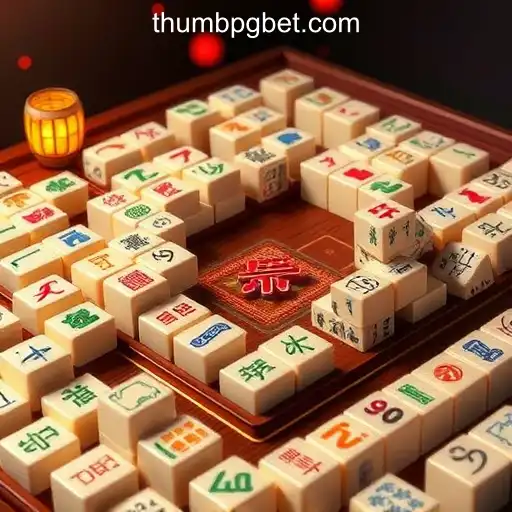
The standard game of Mahjong is played with a set of 144 tiles based on Chinese symbols and characters. These tiles are categorized into three suits: characters, bamboos, and circles, alongside honor tiles comprising winds and dragons. Each player starts with 13 tiles, and the objective is to form a legal hand by drawing and discarding tiles, aiming to complete sets and pairs.
Not only does Mahjong require skill, but also involves a considerable element of luck. Players must anticipate opponents' moves, memorize discarded tiles, and use strategic foresight to achieve victory. These aspects contribute to its enduring appeal, as the balance between randomness and calculated strategy makes each game unpredictable and thrilling.
Modern Adaptations and the Online Revolution
As technology advances, Mahjong has made its mark in the digital world. New generations can enjoy electronic versions of the game on various platforms, preserving the essence of traditional gameplay while introducing innovative twists. Online Mahjong games have exploded in popularity, allowing players from around the globe to compete in virtual settings.
The rise of platforms like ThumbPG.COM Oficial Slots Brasil #1 highlights Mahjong's integration into online gaming, where gamers can experience slot adaptations and other creative formats inspired by the classic game. These digital versions provide convenience and accessibility, enabling users to enjoy Mahjong from the comfort of their homes or on the go.
In this context, modern adaptations have spurred new interest in Mahjong, especially among younger audiences. By blending traditional elements with contemporary gaming experiences, these platforms ensure the game remains relevant and exciting amid changing entertainment landscapes.
The Educational and Psychological Aspects
Beyond entertainment, Mahjong offers educational benefits, sharpening cognitive skills and enhancing memory. Players hone their strategic thinking and problem-solving abilities, as they must analyze, predict, and execute optimal moves. Various studies have found that playing Mahjong can boost brain function, making it a useful activity for mental agility, especially in older adults.
Moreover, Mahjong is a social game that can improve interpersonal skills and foster community spirit. By engaging in cooperative and competitive environments, players develop communication skills and emotional intelligence, which can be valuable in numerous life aspects.
Concluding Thoughts
From its origins in ancient China to its current online manifestations, Mahjong continues to captivate players with its rich history and strategic depth. The game's ability to adapt and evolve, as demonstrated by platforms like ThumbPG.COM Oficial Slots Brasil #1, ensures its place in the global gaming landscape. As we embrace modern technologies, Mahjong remains a timeless pursuit that bridges cultures, educates, and entertains across generations.